Mining Town Rental Yields: High Returns or a Yield Trap?
Why mining and resource towns post Australia's highest rental yields, what can go wrong, and the checks to make before buying.

Most investors trade off rental yield against capital growth. In 2026 capital city units yield about 4.7% gross against 3.4% for houses, while houses have historically grown faster.
These guides help you choose a strategy, find suburbs that suit it and avoid the high-yield traps. Shortlist suburbs with SuburbsFinder, then check a property with the calculators.
Why mining and resource towns post Australia's highest rental yields, what can go wrong, and the checks to make before buying.
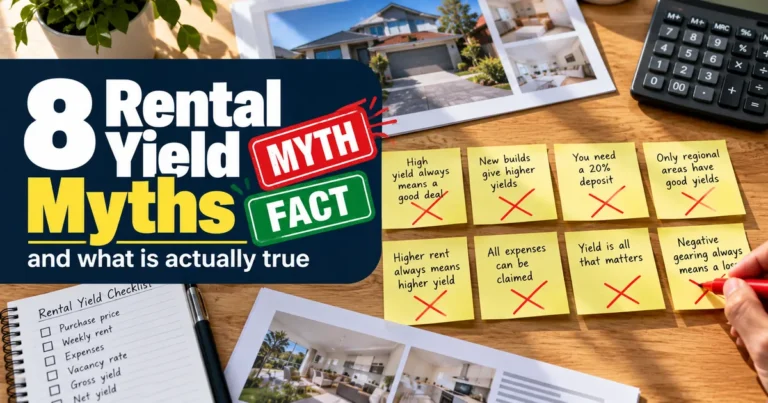
High yield always wins, gross yield is your return, units always yield more. Eight common beliefs about rental yield, and what is actually true.

High-yield properties help cash flow, growth properties build wealth faster if you can hold them. Here is how to choose, with a 10-year illustration.

Units usually win on gross yield, but strata levies narrow the gap on net yield. A side-by-side example shows what really changes.

Twelve practical ways to lift the rental yield on an Australian investment property, from pricing rent right to adding a second income.
It depends on your cash flow and timeframe. Yield supports holding costs and borrowing capacity; growth builds equity. Many investors balance the two, aiming for around 4% to 5% gross in a suburb with steady demand.
Very high yields often reflect small or single-industry economies, high vacancy or weak price growth. Check vacancy rates, population trends and days on market before you buy.
Filter suburbs by gross yield, vacancy rate and supply using SuburbsFinder, then confirm rents with recent leased listings and a local property manager.