
Mining Town Rental Yields: High Returns or a Yield Trap?
Why mining and resource towns post Australia's highest rental yields, what can go wrong, and the checks to make before buying.

Every guide here is written for Australian investors and uses current figures: the national gross rental yield is 3.85% (September 2026), the average investor interest rate is around 7%, and tax examples use the 2026-27 rates.
Start with what counts as a good rental yield and gross vs net yield, then use the calculators to test a real property.
Why mining and resource towns post Australia's highest rental yields, what can go wrong, and the checks to make before buying.
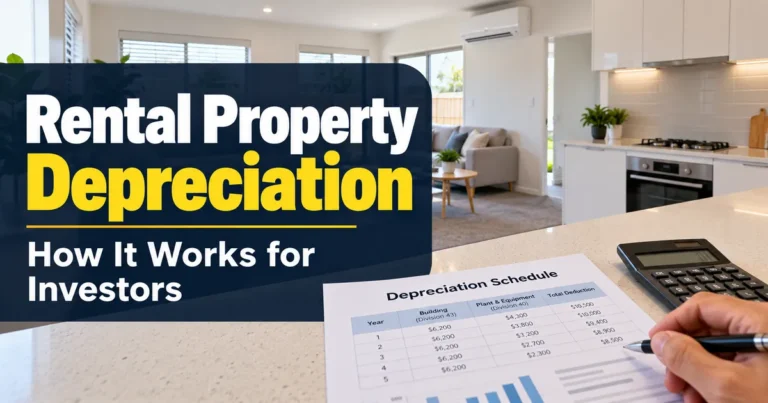
How capital works and plant and equipment depreciation work on Australian rental properties, the 2017 rules for second-hand properties, and the effect on cash flow.

Lenders count only part of your rent, test you at a higher interest rate, and cap high debt-to-income lending. Here is how that shapes your borrowing power.

Interest rates do not change rental yield, but they decide whether a yield pays the bills. Here is the break-even yield at each rate and what a rise costs per week.
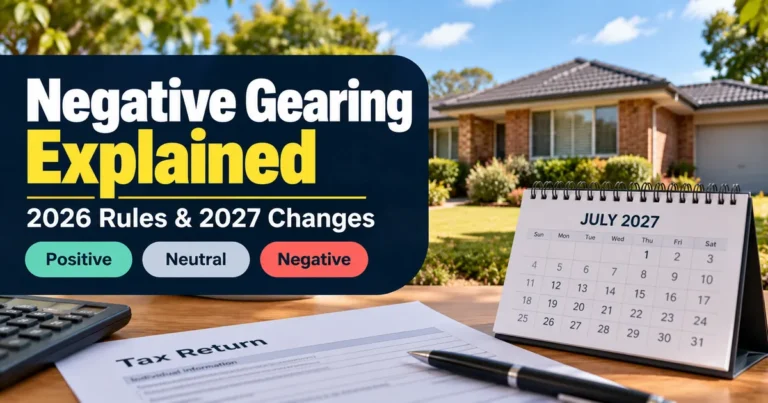
Positive, neutral and negative gearing explained with numbers, plus what the 2026 reforms mean for investors buying established property from 1 July 2027.
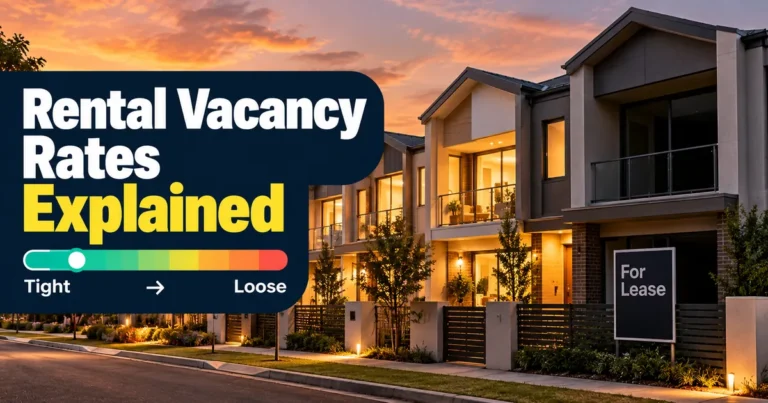
What vacancy rates measure, what counts as tight or loose, how much vacancy to allow in your numbers, and how vacancy changes your real yield.
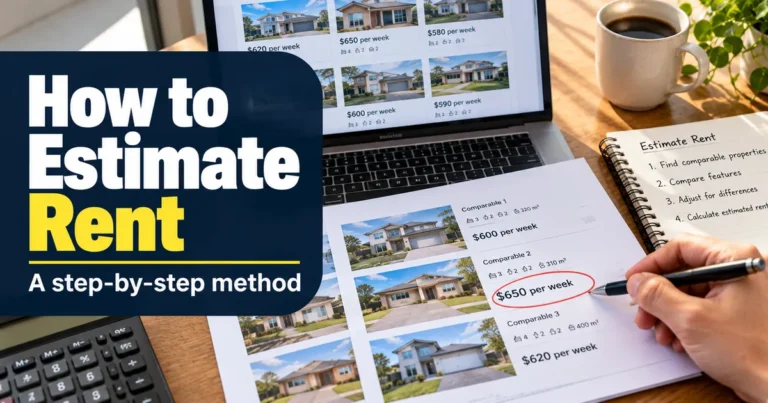
A step-by-step method for estimating what a property will rent for, so the yield you calculate before buying is realistic.

How strata and body corporate levies work, why they matter so much to unit yields, and what to check before buying.

What landlord insurance covers, what it usually excludes, what drives the premium, and how to fit it into your rental yield numbers.

Average property management and letting fees by state in 2026, what is included, and how fees affect your net rental yield.
Land tax thresholds and how they work in each state and territory in 2026, with examples of what investors pay and how it affects rental yield.
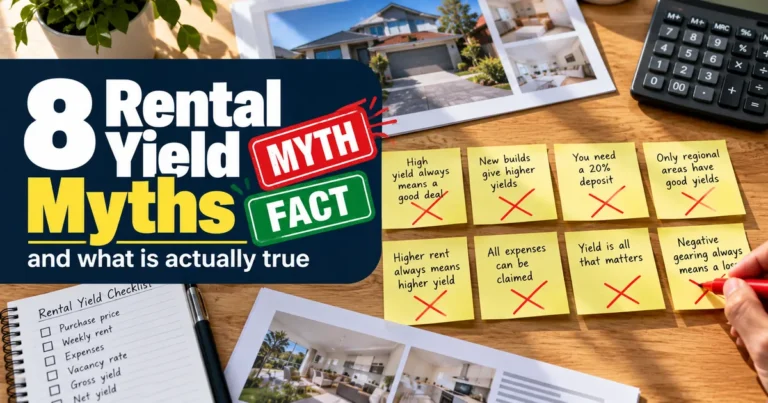
High yield always wins, gross yield is your return, units always yield more. Eight common beliefs about rental yield, and what is actually true.

Units usually win on gross yield, but strata levies narrow the gap on net yield. A side-by-side example shows what really changes.

High-yield properties help cash flow, growth properties build wealth faster if you can hold them. Here is how to choose, with a 10-year illustration.

Twelve practical ways to lift the rental yield on an Australian investment property, from pricing rent right to adding a second income.

Rental yield is one number. Here is how it fits with cap rate, yield on cost, cash-on-cash return and ROI, all worked on the same property.

Five worked rental yield calculations, from an inner-city unit to a house with a granny flat, showing gross yield, net yield and weekly cash flow.
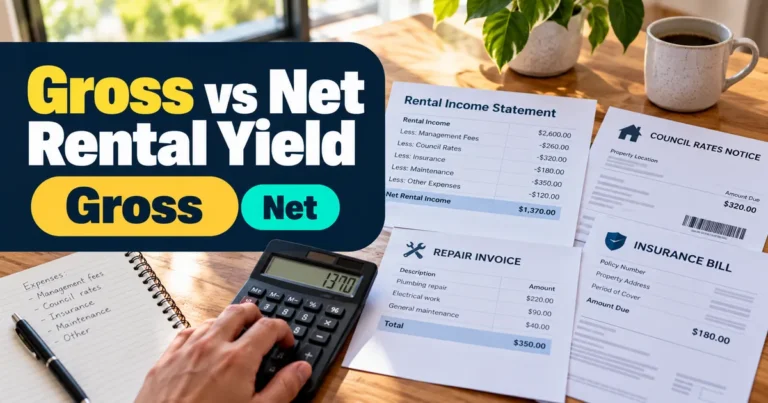
Gross yield uses rent and price only. Net yield takes off the costs of owning the property. Here is how to calculate both, with a worked example.
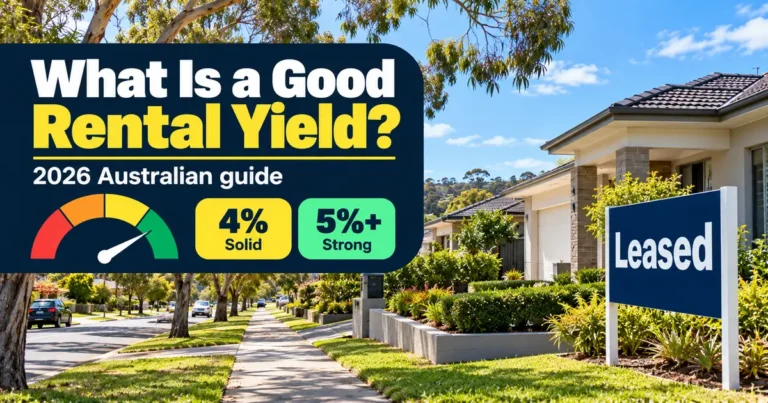
A gross yield above 4% is solid for a capital city property and above 5% is strong. Here is how to judge any yield against 2026 benchmarks.
Read what is a good rental yield, then gross vs net rental yield, then the worked rental yield examples. Those three guides cover the formulas and the benchmarks you need before using the calculator.
Each guide is reviewed at least every 6 months, and sooner when interest rates, tax rules or land tax thresholds change. The updated date on every guide shows the last review.
No. They are general information for Australian investors and do not consider your circumstances. Speak to a licensed financial adviser, accountant or broker before you buy.
Capital city yields come from Cotality (formerly CoreLogic) and SuburbsFinder. Interest rates come from the RBA and lender averages, and tax figures come from the ATO and state revenue offices.