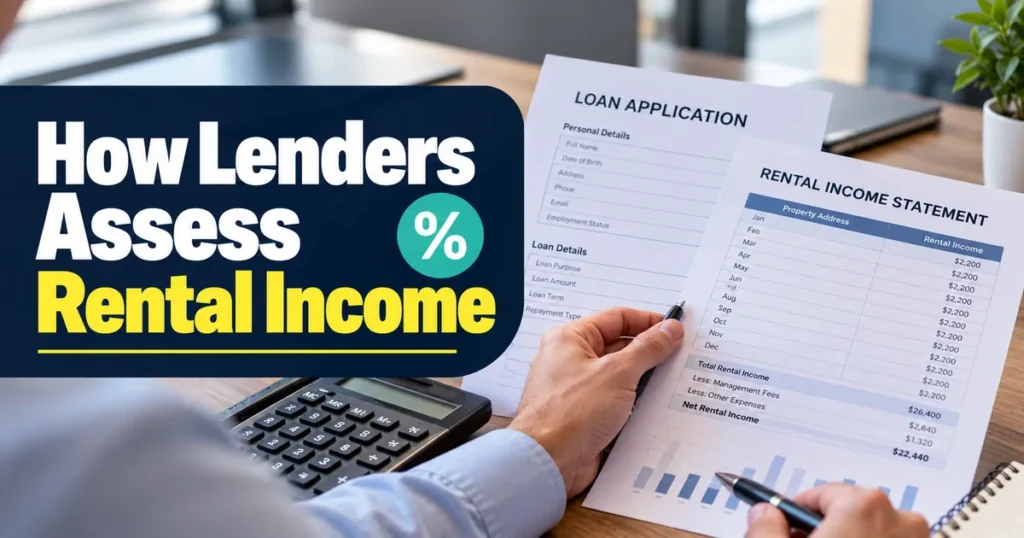
When you apply for an investment loan, lenders do not count the full rent. They typically use 70% to 80% of the gross rent to allow for vacancy and costs, test your repayments at a rate 3 percentage points above the actual rate, and limit how many loans they write at high debt-to-income ratios. Understanding these rules explains why a higher-yield property can help you keep buying.
Key takeaways
- Most lenders “shade” rental income, counting 70% to 80% of it.
- APRA requires lenders to test repayments at a 3 point buffer above the loan rate.
- Banks can write only a limited share of new loans at six times income or more.
- Higher rent improves serviceability. That is one reason yield matters for growing a portfolio.
Rental shading
Lenders assume some rent will be lost to vacancy, fees and costs, so they count only part of it. For a property renting at $600 a week ($31,200 a year), a lender using 80% counts $24,960 as income. Some lenders shade more for certain property types, such as short-stay, rooming house or student accommodation. Rules differ by lender, which is where a mortgage broker helps.
The serviceability buffer
APRA, the banking regulator, expects lenders to assess whether you could repay at a rate at least 3 percentage points above the actual loan rate. APRA confirmed the buffer at 3 points in May 2026. If your loan rate is 7%, the lender checks you could afford about 10%. Lenders often also assess interest-only loans on principal and interest repayments over the remaining term.
Debt-to-income limits
APRA allows banks to write up to 20% of new lending at a debt-to-income ratio of six times or more. Investors with several properties often hit this ceiling first, because each loan adds debt faster than shaded rent adds income.
How existing debts are counted
- All your existing loans are counted at buffered rates.
- Credit card limits count as debt even if unused.
- Rent from existing investment properties is shaded the same way.
- Living expenses are assessed against benchmarks.
How yield helps your borrowing power
A property with stronger rent relative to its loan adds more shaded income for each dollar of debt. Two properties at the same price can affect your borrowing power very differently. Compare the rent you need for a target yield with the target yield calculator, and see the trade-offs in what is a good rental yield.
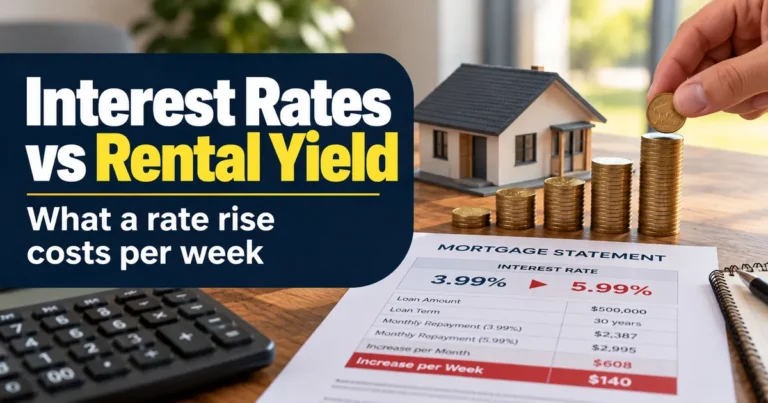
Rates matter too. Higher actual rates mean a higher assessment rate. See interest rates and rental yield.
Find the rent that works
Work out the rent you need for your target yield.
Frequently asked questions
How much of my rental income will the bank count?
Usually 70% to 80% of gross rent, depending on the lender and property type.
What is the serviceability buffer in 2026?
APRA kept the buffer at 3 percentage points above the loan rate in May 2026.
Does negative gearing help my borrowing power?
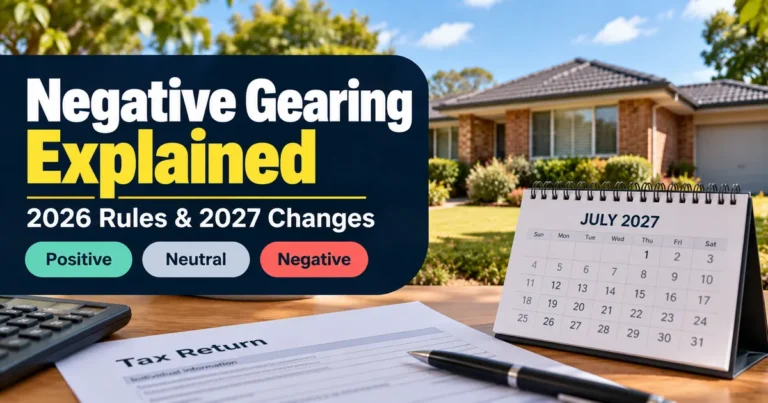
Some lenders factor in tax benefits from negative gearing, but approaches differ and the 2027 rule changes may affect this for new purchases. Ask a broker.
See what this property would yield
Enter the price, rent and costs to get gross yield, net yield and weekly cash flow.
General information only. This calculator and content do not consider your personal circumstances and are not financial, tax or legal advice. Speak to a licensed professional before making investment decisions.