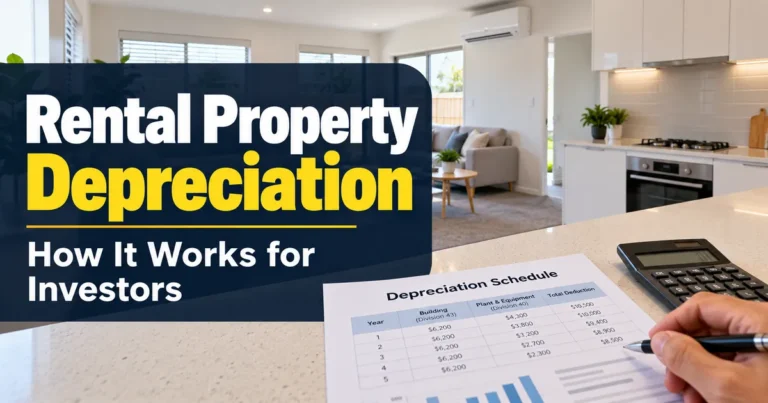
Rental Property Depreciation: How It Works for Investors
How capital works and plant and equipment depreciation work on Australian rental properties, the 2017 rules for second-hand properties, and the effect on cash flow.

The costs, taxes and lending rules that decide what a rental property really returns: land tax, fees, insurance, gearing, depreciation and interest rates.
How capital works and plant and equipment depreciation work on Australian rental properties, the 2017 rules for second-hand properties, and the effect on cash flow.

Lenders count only part of your rent, test you at a higher interest rate, and cap high debt-to-income lending. Here is how that shapes your borrowing power.

Positive, neutral and negative gearing explained with numbers, plus what the 2026 reforms mean for investors buying established property from 1 July 2027.

Interest rates do not change rental yield, but they decide whether a yield pays the bills. Here is the break-even yield at each rate and what a rise costs per week.

What landlord insurance covers, what it usually excludes, what drives the premium, and how to fit it into your rental yield numbers.

How strata and body corporate levies work, why they matter so much to unit yields, and what to check before buying.

Land tax thresholds and how they work in each state and territory in 2026, with examples of what investors pay and how it affects rental yield.

Average property management and letting fees by state in 2026, what is included, and how fees affect your net rental yield.