As a rule of thumb, a gross rental yield above 4% is solid for a capital city property in Australia, and above 5% is strong. Regional properties often achieve 5% to 7%. For context, the national gross yield was 3.85% as at September 2026.
But “good” depends on what you need the property to do. A yield that suits an investor chasing cash flow can be the wrong choice for someone buying for long-term growth, and the reverse.
Key takeaways
- Above 4% gross is solid for a capital city, above 5% is strong.
- Compare against your own city, not the national average. Sydney and Darwin are very different markets.
- Units usually yield more than houses, but strata fees narrow the gap on a net yield basis.
- A very high yield can be a warning sign, not a bargain.
- Always check net yield and cash flow before you buy.
Rental yields by capital city
Here is how each capital compares. These figures update every quarter.
The spread is wide. Darwin has long led the capitals on yield, while Sydney sits at the bottom because prices are high relative to rent. A 4.5% yield would be excellent in Sydney and below average in Darwin, which is why the benchmark you compare against matters more than any national rule.
Gross yield benchmarks to use
| Gross yield | What it usually means |
|---|---|
| Under 3% | Low. Common in premium suburbs where buyers are paying for growth and lifestyle. Expect negative cash flow with a loan. |
| 3% to 4% | Typical for capital city houses. Holding costs are likely to exceed rent at current interest rates. |
| 4% to 5% | Solid for a capital city. Often units, or houses in more affordable capitals. |
| 5% to 7% | Strong. Common in regional areas, some outer suburbs and dual-income properties. |
| Over 7% | High. Check why: small markets, mining towns, high vacancy or older stock can all push yields up. |
These bands are a guide, not a verdict. Use the calculator to see where your property lands and how it compares with your city.
What is a good net rental yield?
Net yield takes off vacancy and running costs, so it is always lower than gross. For a typical property, the gap is around 1 to 2 percentage points. A net yield of 3% or more is reasonable for a capital city, and 4% or more is strong.
The gap is wider for units with high strata levies, older properties with big maintenance bills, and properties in states with high land tax. Our guide to gross vs net rental yield shows the calculation step by step.
Houses vs units
Units almost always have higher gross yields than houses. As at September 2026, capital city units averaged about 4.7% gross, compared with about 3.4% for houses.
The catch is strata. A unit with $5,000 a year in levies can end up with the same net yield as a house with a much lower gross yield. We work through an example in units vs houses: which has better rental yield.
When a high yield is a warning sign
A yield well above the local average is a question to answer, not an automatic win. Common reasons:
- Small or single-industry towns where rents can fall quickly if a mine or major employer cuts jobs. See mining town rental yields.
- High vacancy, which the gross yield figure does not show.
- Older properties with large maintenance or compliance costs coming.
- Prices falling faster than rents, which lifts the yield on paper while your equity shrinks.
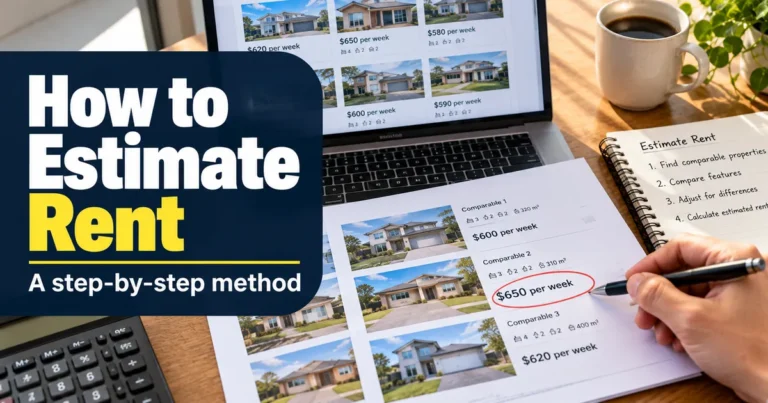
- Optimistic rent estimates in the listing. Check comparables and estimate the rent yourself.
More on this in rental yield myths.
How to decide what yield you need
Start with your strategy:
- If cash flow matters most, for example because you want to keep buying or have limited income to cover a shortfall, look for net yields that cover your interest costs. Check with the rental cash flow calculator, and see how interest rates change the picture.
- If growth matters most, you can accept a lower yield, as long as you can comfortably fund the weekly shortfall for years. See rental yield vs capital growth.
- If you want both, look for suburbs with above-average yield plus growth drivers: low vacancy rates, limited new supply, population growth and infrastructure investment.
Run your own numbers
Enter the price, rent and costs to get gross yield, net yield and weekly cash flow, compared with your capital city.
Frequently asked questions
Is a 5% rental yield good in Australia?
Yes. A 5% gross yield is above the capital city average and is considered strong for a city property. In regional areas it is closer to typical. Check the net yield too, as costs can take 1 to 2 percentage points off.
Is a 3% rental yield good?
It is low but normal for capital city houses in expensive markets like Sydney. Investors accept it for growth potential, but expect to fund a weekly shortfall if you have a loan.
What is a good rental yield for a unit?
Units typically need a higher gross yield than houses to compete, because strata levies reduce net yield. Above 5% gross is solid for a capital city unit, provided levies are reasonable.
How often do rental yields change?
Yields move as rents and prices change. Benchmarks are usually published monthly or quarterly. We update ours every quarter.
Should I compare gross or net yield?
Use gross yield to shortlist properties and compare with published benchmarks. Use net yield and cash flow to decide whether to buy.
See what this property would yield
Enter the price, rent and costs to get gross yield, net yield and weekly cash flow.
General information only. This calculator and content do not consider your personal circumstances and are not financial, tax or legal advice. Speak to a licensed professional before making investment decisions.